
"old roasting methods"
2000 article(s) found

Coffee god Ichiro Kanaguchi: I was born to explore the nature of things
Communication of professional baristas Please pay attention to Coffee Workshop (Wechat official account cafe_style) Coffee originated in Europe and the United States, but after it spread to Japan, the Japanese invested in coffee with unique professional spirit, from bean selection, roasting to brewing, attention to detail, almost demanding, that is, the "coffee" of the staff. Amber Coffee in Ginza, which has been open for 67 years, is the spirit of coffee staff.

A brief introduction to the treatment method of grinding degree and baking degree of Kilimanjaro coffee beans in Tanzania
There are three main types of coffee machines in common use. Drip filter: wet the coffee powder with water and let the coffee liquid flow through the filter cloth or filter paper and flow into the container at the speed of natural fall. Basically, this method does not soak the coffee powder, just let the hot water pass slowly through the coffee powder. Both the drip filter cup and the electric coffee maker fall into this category and are the simplest brewing tools that can soak clean and colored.

Kilimanjaro Coffee Flavor description, Grinding degree characteristics, Variety producing area Manor introduction
Tanzania's main coffee producing area, located at the foot of Mount Kilimanjaro, is rich in volcanic soil. Some coffee trees planted here are more than 100 years old. Coffee was first introduced by Christians from Kenya to grow coffee. Coffee trees must be carefully taken care of, weeded and fertilized. And old branches must be cut off so that new branches can grow to maintain the quality of coffee beans.

Water content-Chemical change process of Coffee during roasting
Water content-chemical changes during coffee roasting high-altitude and ripe coffee beans usually last longer and have a longer lifespan. Because of the high density of raw coffee beans, if the dry environment is good, the taste of the coffee itself will not change much. Out-of-season coffee beans are not good, and old coffee is sometimes added to some coffee varieties. To put it simply, non-
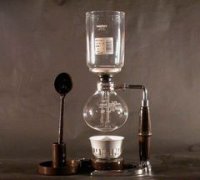
Basic Coffee making methods in Coffee Encyclopedia
(1) the classification of basic coffee may have the most different opinions, but this is also the most important point. Whether this classification is appropriate or not has a direct impact on our understanding and research on coffee drinks. Our classification method is based on the history of coffee beverages and the principle of coffee beverage production. Except for Ethiopia, which was the first to drink coffee.

Coffee Bean Roasting Knowledge The interior of roasted coffee beans is a "honeycomb structure"
Coffee lovers, Professor Hirose Yukio of Kanazawa University in Japan is a doctor of engineering, specializing in computational mechanics. The boss has conducted research on coffee beans with 120,000 scientific spirit and achieved the following results: 1. The interior of roasted coffee beans is honeycomb structure, and different roasting methods form different honeycomb structures. 2 The diameter of honeycomb cavity is basically 0.01mm, that is, about 10 microns. 3

Stronger Tanzanian coffee flavor and taste the characteristics of the manor producing area introduce Kilimanjaro coffee
Tanzania's main coffee producing area, located at the foot of Mount Kilimanjaro, is rich in volcanic soil. Some coffee trees planted here are more than 100 years old. Coffee was first introduced by Christians from Kenya to grow coffee. Coffee trees must be carefully taken care of, weeded and fertilized. And old branches must be cut off so that new branches can grow to maintain the quality of coffee beans.

Tanzania Coffee Flavor with excellent Flavor characteristics of Manor production area introduction of boutique coffee beans
Tanzania's main coffee producing area, located at the foot of Mount Kilimanjaro, is rich in volcanic soil. Some coffee trees planted here are more than 100 years old. Coffee was first introduced by Christians from Kenya to grow coffee. Coffee trees must be carefully taken care of, weeded and fertilized. And old branches must be cut off so that new branches can grow to maintain the quality of coffee beans.
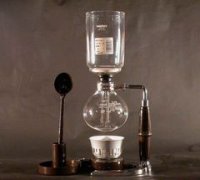
Coffee fundamentals Coffee making method
The traditional method of siphon brewing uses the principle of vapor pressure (a method invented by a marine engineer, probably inspired by a steam engine), so that the heated water flows upward from the lower beaker through the siphon and filter cloth, and then mixed with the coffee powder in the upper cup, and the ingredients in the coffee powder are completely quenched out, and the quenched coffee liquid is removed after the fire source is removed.

The interior of roasted coffee beans is "honeycomb structure".
Coffee enthusiast, Professor Yukio Hiroase of Kanazawa University in Japan, has a doctorate in engineering and specializes in computational mechanics. the boss has studied coffee beans with a hundred and twenty thousand scientific spirit and achieved the following results: 1 the interior of roasted coffee beans is honeycomb structure. different roasting methods form different honeycomb structures. (2) the diameter of honeycomb cavity is basically 0.01mm, that is, about 10 microns. three

46-year-old Sammi Cheng likes drinking black coffee, thin and healthy! How is the star A4 waist made?
Professional coffee knowledge exchange more coffee bean information Please follow the coffee workshop (Wechat official account cafe_style) recently, Sammi Cheng posted Weibo, after exercise, made an appointment with friends to visit her, and then stopped by for a walk to the beach, perhaps because of the No. 3 typhoon, the people were surprisingly rare. Sit down and have a cup of black coffee. I like the bitter taste. Zheng Sammi, 46, is thin and healthy

Turkish coffee brewing method simple Turkish coffee flavor Turkish coffee brewing method teaching
Professional coffee knowledge exchange more coffee bean information please follow the coffee workshop (Wechat official account cafe_style) in this era of boutique coffee, open most of the coffee reference books, as long as it comes to brewing props, nothing more than all kinds of hand brewing pots, filter cups, siphon pots, mocha pots, etc., and in the end, we always put on the "Turkish pot", but often only in a few words

Introduction to the flavor and taste of Tanzanian coffee Kilimanjaro coffee characteristics of Tanzania boutique coffee beans
Tanzania's main coffee producing area, located at the foot of Mount Kilimanjaro, is rich in volcanic soil. Some coffee trees planted here are more than 100 years old. Coffee was first introduced by Christians from Kenya to grow coffee. Coffee trees must be carefully taken care of, weeded and fertilized. And old branches must be cut off so that new branches can grow to maintain the quality of coffee beans.

Introduction to the flavor of Kilimanjaro coffee producing area in Tanzania, which is rich in volcanic soil.
Tanzania's main coffee producing area, located at the foot of Mount Kilimanjaro, is rich in volcanic soil. Some coffee trees planted here are more than 100 years old. Coffee was first introduced by Christians from Kenya to grow coffee. Coffee trees must be carefully taken care of, weeded and fertilized. And old branches must be cut off so that new branches can grow to maintain the quality of coffee beans.

Coffee making method
The siphon brewing method uses the principle of vapor pressure (a method invented by a marine engineer, probably inspired by a steam engine) to make the heated water flow upward from the lower beaker through a siphon and filter cloth. then mixed with the coffee powder in the upper cup, the ingredients in the coffee powder are completely quenched out, and the quenched coffee liquid, after removing the source of fire, flows back again.

World delicious Tour / a pot of coffee roasted in Europe for a century
Professional coffee knowledge exchange more coffee bean information please follow the coffee workshop (Wechat official account cafe_style) World delicious Tour / a pot of coffee roasting there are three major drinks in Europe for a century, wine, tea and coffee, the historical background of the three is very different. Human drinking has a history of more than 12000 years, which can be traced back to Neolithic Mesopotamia (two river basins).

An introduction to Tanzanian coffee that can be prepared or made into a variety of fancy coffee
Tanzania's main coffee producing area, located at the foot of Mount Kilimanjaro, is rich in volcanic soil. Some coffee trees planted here are more than 100 years old. Coffee was first introduced by Christians from Kenya to grow coffee. Coffee trees must be carefully taken care of, weeded and fertilized. And old branches must be cut off so that new branches can grow to maintain the quality of coffee beans.

Is there a "honeycomb structure" inside the roasted coffee beans?
Coffee enthusiast, Professor Yukio Hiroase of Kanazawa University in Japan, has a doctorate in engineering and specializes in computational mechanics. the boss has studied coffee beans with a hundred and twenty thousand scientific spirit and achieved the following results: 1 the interior of roasted coffee beans is honeycomb structure. different roasting methods form different honeycomb structures. (2) the diameter of honeycomb cavity is basically 0.01mm, that is, about 10 microns.

Description of Taste and Flavor of Deep-roasted Coffee introduction of Regional treatment method for Variety characteristics
For many baristas, coffee beans are an unchangeable factor, because many baristas work hard to make coffee in an environment surrounded by commercial beans. therefore, no matter how hard you try, you can't make very good coffee. As an old saying goes, making bricks without rice is a description of such baristas.

Basic knowledge of coffee honeycomb structure of roasted coffee beans
Coffee enthusiast, Professor Yukio Hiroase of Kanazawa University in Japan, has a doctorate in engineering and specializes in computational mechanics. the boss has studied coffee beans with a hundred and twenty thousand scientific spirit and achieved the following results: 1 the interior of roasted coffee beans is honeycomb structure. different roasting methods form different honeycomb structures. (2) the diameter of honeycomb cavity is basically 0.01mm, that is, about 10 microns. three